
Case study · UNICEF Brazil
Combatting Zika in Brazil
Men wrote most of the Facebook posts about Zika in Brazil
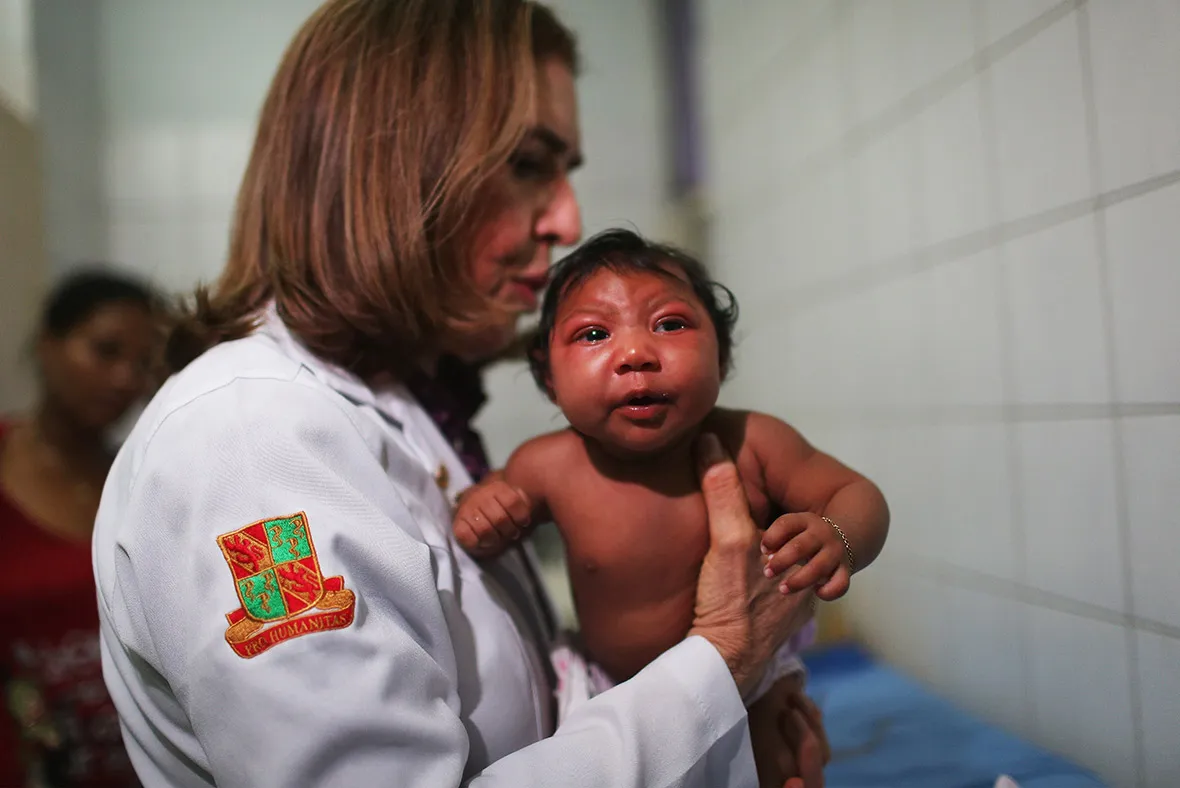
In 2015, the Zika virus began to spread widely through Latin America. By February 2016, UNICEF Brazil was moving quickly to build awareness and increase prevention.
Working with us and Facebook, UNICEF used insights from aggregated, anonymized Facebook data to find the people most actively spreading information about Zika. UNICEF then created content for them.
Goal
The partners set out to use insights from Facebook data, and Facebook itself, to get people to take action to protect themselves and their loved ones from Zika.
Impact
People reacted to, shared, or commented on campaign posts about preventing Zika 17.3 million times.
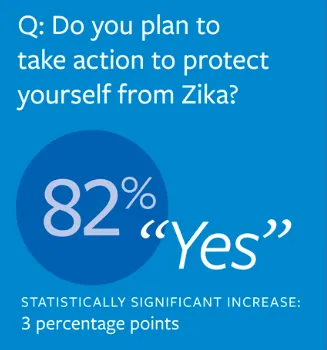
People who saw the posts were 3 percentage points more likely to say they planned to protect themselves from Zika than people who didn’t, a statistically significant difference.
Tactics
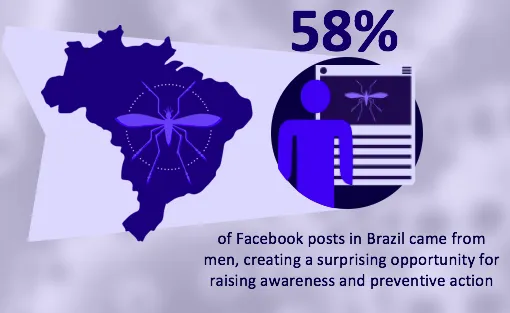
UNICEF Brazil worked with us and Facebook to learn who was worried about Zika and what worried them. In the aggregated, anonymized data, 16% more men than women were posting about how to protect themselves from Zika.
So UNICEF shaped its Facebook content around men’s concerns:
- Practical posts on how to stop mosquitoes from breeding and biting.
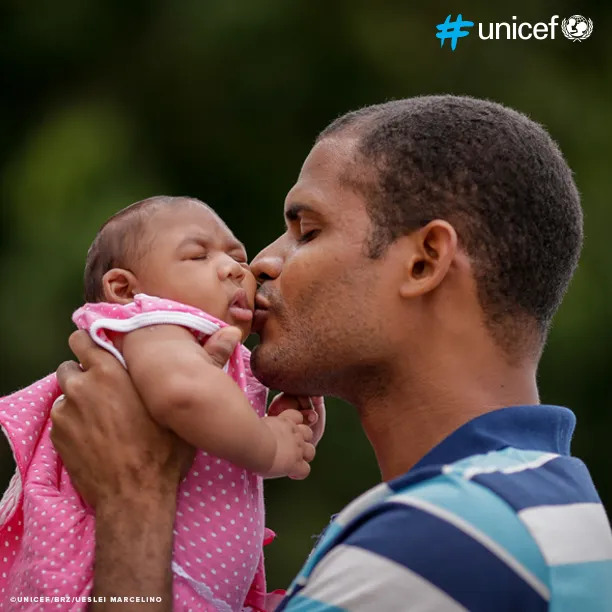
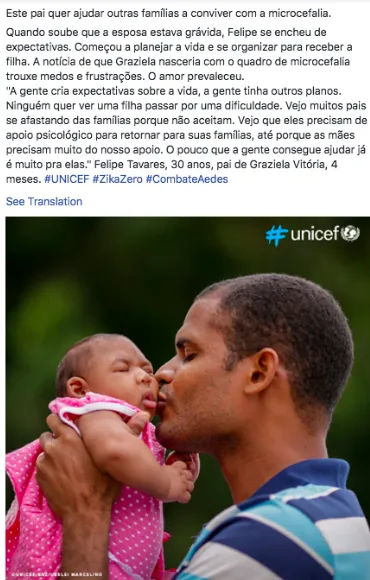
- Personal posts, such as one father’s story about his child born with microcephaly.
“I cannot stress enough how much we have learned about the power of using online insights to engage people.”
Edith Asibey, Chief of Communication & Partnerships, UNICEF Brazil