Facebook-Fueled Behavior Change Campaigns: A Strategic and Tactical Guide
Using Facebook for Behavior Change Campaigns in Public Health
The guide sets out eight keys to success for using social media in behavior change campaigns that address public health problems.
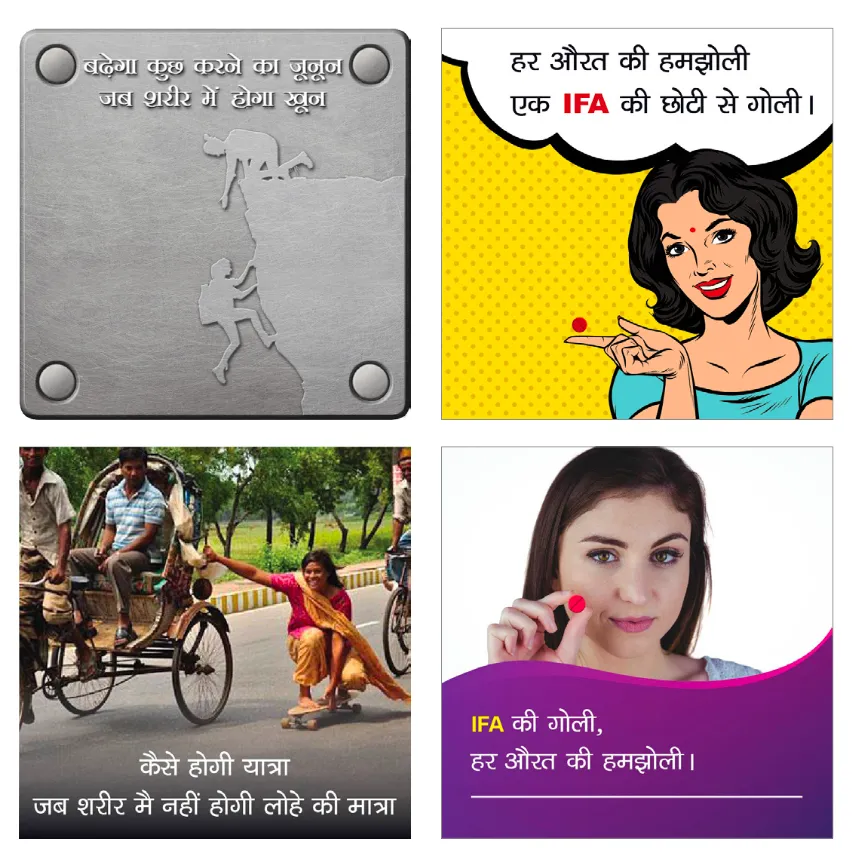
According to the guide, the world’s most complex health problems take more than awareness-raising to solve. Behavior change campaigns aim to move individuals and whole communities to take steps toward better health. Organizations including the World Health Organization and the Bill & Melinda Gates Foundation use these campaigns to improve global and public health outcomes.
The guide describes effective campaigns as following a sequence that moves the target audience from awareness to action. They adapt to the communities they serve and bring in community partners early to help shift social norms, so that healthier behaviors become widely adopted.
The guide says that designing successful campaigns depends on understanding human behavior in detail. One approach, the Fogg Behavior Model, centers on three elements of behavior change: Motivation, Ability and Prompt.
Social media platforms such as Facebook offer a channel for behavior change campaigns. With nearly 2.5 billion monthly active users, Facebook can be used to share knowledge, shift attitudes and motivate people to make healthier choices. The guide covers principles and practices for designing and running behavior change campaigns on Facebook to improve public health.